Author: probaterealtorsonline-com

  • Florida’s Unique Housing Market Offers New Opportunities

    Florida’s Unique Housing Market Offers New Opportunities

    Florida’s real estate scene is a study in contrasts right now: plenty of listings, frequent price cuts, yet so many buyers and sellers still can’t find the right fit. I see this every week—homes on the market that just aren’t matching up with what families actually need in terms of size, cost, or neighborhood. Many long-time owners, especially seniors, are finding it tough to sell, while younger buyers are holding back because affordability feels out of reach. This mismatch is creating real challenges for everyone involved.

    After three decades helping families—from first-timers to retirees—navigate these ups and downs, I know how important it is to find a property that truly works for your stage of life and budget. Whether you’re looking to sell or searching for your next chapter, having someone who understands the market’s quirks can make all the difference.


    Continue to full article

  • Condo rule adjustments: A gamechanger for the Florida market?

    Condo rule adjustments: A gamechanger for the Florida market?

    Condo buyers and sellers in Florida are facing significant changes, as new lending rules now call for thorough financial reviews of condo associations and larger reserve requirements. These adjustments are making it more challenging to secure conventional loans—even as demand for condos remains high. As someone who’s spent decades helping families navigate the twists and turns of real estate transactions, I understand how these shifts can add another layer of complexity. Many buyers may find themselves turning to portfolio or non-qualified mortgage lenders to keep their dreams moving forward. Clear guidance and steady support are more important than ever as our market adapts to these evolving standards.

    Continue to full article

  • Florida’s housing market corrections continue to lose intensity—see the data across the state

    Florida’s housing market corrections continue to lose intensity—see the data across the state

    After a period of uncertainty, Florida’s housing market is showing encouraging signs of stability as we move through 2026. Recent data indicates that market corrections are losing steam, and in some areas, prices are even experiencing gentle increases. What stands out to me is the decline in inventory within communities that were previously hit the hardest—this shift suggests that the underlying fundamentals are strengthening, and the risks many have worried about are starting to subside. Whether you’re considering a move, navigating probate, or simply curious about how these trends might affect your plans, staying informed is key. Drawing on three decades of experience in both probate and traditional sales, I’m committed to offering clear guidance and genuine support as you make your next step.

    Continue to full article

  • Florida and the Great Housing Mismatch

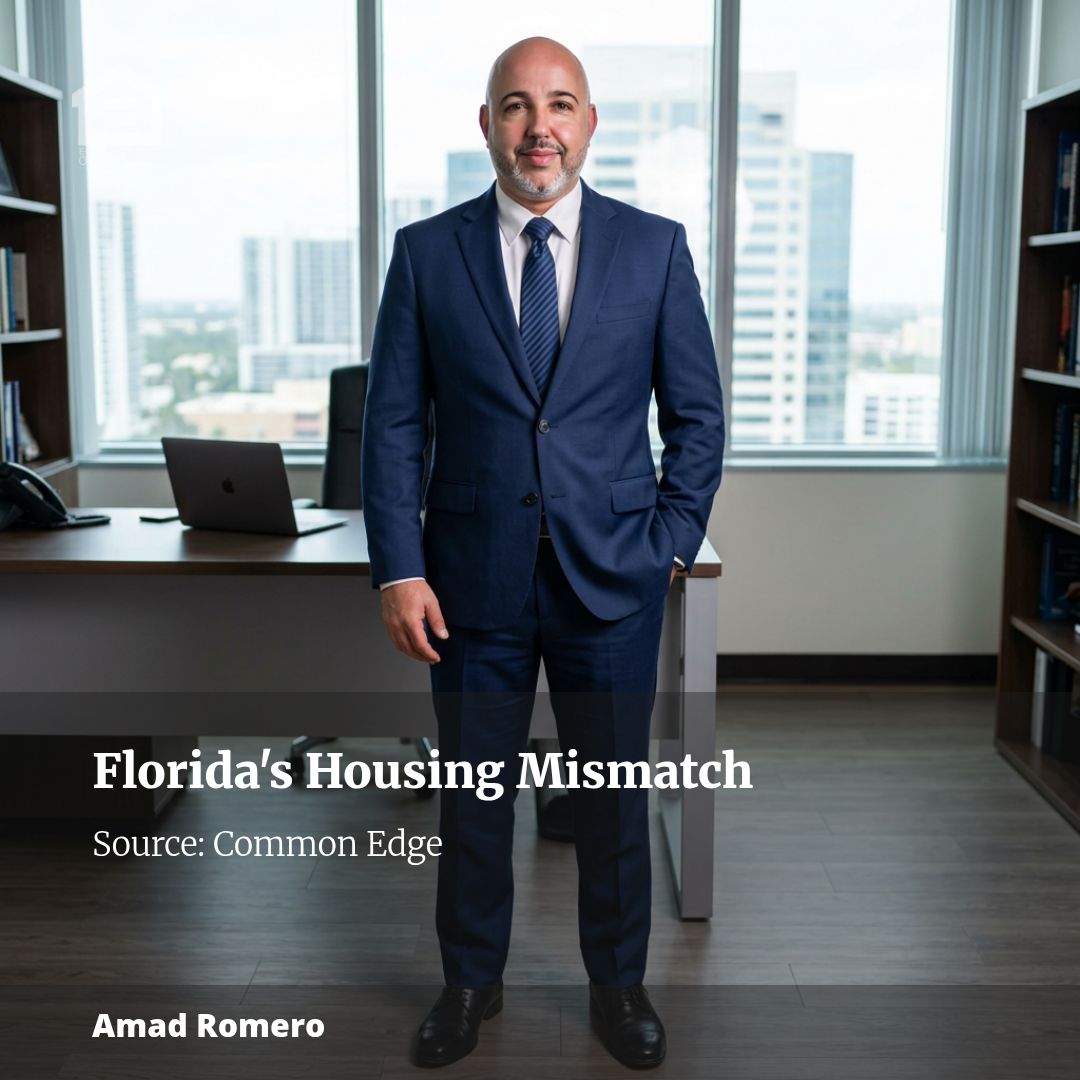
    Florida’s housing landscape offers us a revealing case study in what happens when available homes don’t quite fit the evolving needs and budgets of today’s buyers. Even with homes on the market, many are out of sync with the next generation’s preferences—whether that’s the size, location, or affordability. As someone who’s spent over 30 years guiding families through both traditional and probate real estate, I see firsthand how true affordability goes far beyond just the purchase price. In Florida, the real costs—insurance, HOA dues, maintenance, storm risks, and reliance on cars—often determine whether a home truly fits someone’s life stage and financial reality.

    Communities thrive when residents can transition smoothly—from spacious family homes to more manageable cottages, accessory dwellings, or nearby apartments—without leaving the neighborhoods they love. The real challenge ahead for Florida is whether the next wave of buyers will be able to embrace both inherited and new homes, unless broader options emerge in price, size, and location. Finding the right fit isn’t just about inventory—it’s about helping people move forward, one home at a time.

  • US Confidence Hits Seven-Mo Low

    Confidence among US consumers has slipped to its lowest point in seven months—an interesting shift I’m keeping a close eye on. While many felt more secure about their current situation in mid-Q3 (the present-conditions index climbed about 7 points to 121), their outlook on income, jobs, and business for the months ahead grew less optimistic, with the expectations gauge dropping around 6 points to 68. That level has long been a signal of potential recession risk.

    Early in Q3, employers cut 23,000 jobs, and unemployment nudged up to nearly 4%. Notably, this wasn’t so much about increased layoffs as it was about people leaving the workforce. Even with these headwinds, homebuying expectations barely wavered mid-Q3—and, in fact, continued to edge upward. About 61% of consumers still anticipate higher interest rates ahead, and with federal policymakers holding rates steady, it appears borrowing costs will remain elevated through the end of the year.

    In my three decades navigating both traditional and probate real estate, I’ve seen how changing market moods can affect families and individuals planning their next steps. My commitment remains the same: offering steady, experienced guidance—especially when the path forward feels uncertain.

  • More Homes Hit the Market as Demand Cools

    We’re seeing a subtle but meaningful shift in the real estate landscape: over the past four weeks (ending August 23), new listings in the US nudged up by 0.4% weekly, while total homes for sale increased by 0.5%—reaching the highest levels since early Q2. Yet, as inventory improves, demand has softened; pending home sales dipped by 1.1% to a six-month low, with many buyers pressing pause due to elevated housing costs. The median US home-sale price now stands just above $400,000 (up 1.9% year-over-year), and average mortgage rates remain close to a 13-month high at nearly 7%.

    For those navigating today’s market, increased inventory and tempered demand are quietly shifting leverage toward buyers. Active shoppers are seeing more room to negotiate—whether that means price cuts or additional concessions. Properties that have lingered on the market for several weeks often present the best opportunities for negotiation, while sellers are finding greater success by pricing realistically, rather than chasing last year’s numbers.

    After three decades in real estate sales and negotiations, I’ve found these moments of change can open new doors for both buyers and sellers. My approach has always been rooted in positivity, clear guidance, and skillful negotiation—ensuring every client has the support to move forward confidently, one home at a time.

  • Florida Cities Where You Can Buy a Home Under $200,000

    Florida Cities Where You Can Buy a Home Under $200,000

    After three decades in real estate, I’m always on the lookout for genuine opportunities that help clients move forward—one home at a time. For those seeking value and comfort, it’s encouraging to see several Florida cities, like Lauderdale Lakes, Lauderhill, Deltona, and Poinciana, offering homes and condos under $200,000. These communities are close to urban conveniences, beaches, and parks, making them appealing to retirees and families alike. Whether you’re navigating a traditional purchase or handling the unique considerations of probate, having an experienced advocate by your side makes a real difference in finding the right fit.

    Continue to full article

  • U.S. School-Zone Homes Cost $150K More

    It’s no secret that homes in top-rated school zones command a premium—but the numbers from early Q1 to late Q2 2026 really put things in perspective. The typical US home in a highly rated school zone was priced at $580K, which is a 35% premium over the $430K median home price overall. For families, that meant needing an income of $159K to comfortably afford one—about $41K more than what’s needed for the average home. And for many median-earning households, that translated to spending roughly 55% of their income just to buy in these areas, compared to about 40% for a typical home. Only 13% of listings in these school zones were actually affordable to the median-income family, while nationwide, about 28% of listings met that mark.

    Over three decades in real estate have shown me how school ratings, commute times, and neighborhood resources all factor into this important decision. For sellers, these premiums reflect real added value. For buyers, it’s about weighing priorities and understanding where your investment truly matters for your family’s future. I’m here to offer clear guidance, whether you’re comparing school zones or navigating the unique challenges of probate and traditional sales—helping you move forward, one home at a time.

  • Florida’s Proposed Property Tax Changes: What Property Owners Should Know About The 2026 Save Our Homes Proposal

    Florida’s Proposed Property Tax Changes: What Property Owners Should Know About The 2026 Save Our Homes Proposal

    There’s a significant proposal on the horizon for Florida property owners: by 2026, voters will decide whether to increase the homestead exemption to $250,000 for non-school taxes by 2028, and reduce the annual assessment cap to 5% for many non-homestead properties starting January 2027. Navigating these kinds of tax amendments can feel overwhelming, especially when planning for your family’s future or managing estate transitions. With decades of experience in real estate sales and negotiations—including the unique challenges of probate—I understand how important it is to stay ahead of changes that impact your largest asset. My commitment has always been to provide clarity and steady guidance, so you can make informed decisions and move forward with confidence, one home at a time.

    Continue to full article